Practical Tips to Become a Great Remote Manager
Key Takeaways
- Becoming a great remote manager requires clear communication channels, a proactive approach, and explicit expectations around time zones.
- Be a good listener, understand your team’s needs, and set measurable goals for each member.
- Set up one on one communication sessions and understand their viewpoint, as it will help you complete projects within a given timeframe.
- Use team collaboration software to easily share files, updates, and attachments with your remote team. Use the AI meeting feature to turn every meeting into actionable tasks without switching between multiple tools.
- Integrate employee monitoring software that brings employee attendance, performance, chat and productivity on one connected platform. This helps managers keep their teams aligned, collaborative, and productive remotely.
A good remote manager communicates project updates and deadlines clearly and keeps the entire team aligned with business goals. Understanding how the modern team operates from different locations can make a world of difference. However, the core challenge lies in maintaining productivity, accountability and communication when managing a distributed workforce.
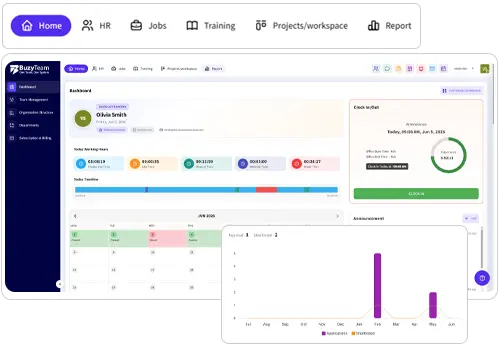
According to Forbes data, a fully remote IT team saw productivity fall by 8 to 19% despite increasing their working hours. Leading your team from the front requires a balance of traditional leadership skills and advanced workforce management software. This allows managers to track attendance, active vs idle hours, timelines, project progress and overall productivity from a user friendly dashboard.
Luckily, this post will help you explore practical tips and tricks for polishing your leadership skills and becoming a great remote manager. This guide also unveils the best employee management system, productivity software, and collaboration platform to keep a remote team connected and productive without micromanaging.
Let’s Get Started!
1. What are the Key Traits of a Remote Manager?
Key qualities of a great remote manager include communication and transparency, a flexible approach, great leadership skills, and a mutual understanding of employee activities, work hours, culture, and deadlines.
- Good Listener: A remote manager prioritises a culture of transparency and strong communication between employees. You must conduct one on one meet up with each member using robust chat and meeting software. Listen and resolve their issues promptly.
- Flexible: Don’t restrict yourself when managing your distributed team. Adapt to the global culture, celebrate each project milestone, and always remain open for genuine feedback.
- Optimistic: You must trust your team and encourage them to complete the task or project on time.
- Accountability: A good remote leader can set measurable goals and ensure the team remains responsible for their deliverables.
Practical Strategies to become a good remote manager:
2. Set up Regular Check ins and Two Way Communication
When managing your distributed team, scheduling regular meetings, establishing one-on-one communication sessions, and understanding their viewpoint can make a huge difference. These are core aspects that help you complete projects within a given timeframe.
You must focus on 360 degree feedback loops in regular check ins. The Kaizen Cycle is one of the most popular methods for building momentum through small, ongoing positive changes. Believe it or not! Making minor changes can help your remote team gain clarity and stay consistently aligned with target business goals. You can use workforce management software that brings chat, meetings, time tracking, productivity reports, and performance analytics together in one place. Manage your team from anywhere at any time.
3. Boost Team Collaboration Using Right Tools
Believe it or not! Soft skills play a crucial role in making you an exceptional remote manager. With the right employee management software tools at your disposal, you can easily boost team collaboration regardless of time zones and locations.
The best team collaboration software helps remote managers collaborate with their teams on specific projects, share updates, add attachments, send files, create topic-based threads, and even meet for audio and video calls on the go. It also features an advanced AI meeting assistant to reduce the chaos of creating meeting minutes from scratch after every meeting. It automatically creates AI transcripts of the meeting, captures key discussions, identifies actionable tasks and turns them into tasks for the right team member without any hassle.
The remote team can use the mobile app to stay connected through chat and meetings from anywhere.
4. Use One Connected Remote Team Management Software
Remote managers need visibility into their team’s working hours and, of course, task progress. Understanding what they are working on and when they are working is essential to keep them aligned and productive. Since you can’t manage them physically, use a remote workforce management software that can help you do the following:
- Monitor attendance: clock in and clock out data of each employee.
- Time tracking: Record active working hours, idle hours, break time, meetings, etc in real time directly on your dashboard.
- Activity Monitoring: Remote managers can easily track web and app usage, employee engagement and mouse activity to gain insights into their productivity patterns.
- Employee Scheduling: Use the time tracking and attendance data to create shifts and manage tasks across a distributed team to prevent overruns and project delays.
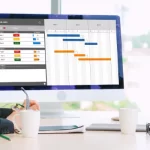
- Access Timelines: It helps you track your team’s progress, deadlines and task completion from a single dashboard.
- Track Performance: Remote workers can easily track their team’s performance based on data provided by the software, such as active hours, attendance, etc.
5. Empower Your Team With Proper Training & Development
Leaders are not born for micromanagement. They must focus on empowering their teams and creating more leaders. It is your core responsibility to hone their skills, boost their confidence and increase their productivity. You can provide ongoing training and development programs related to software updates, new technologies, SOPs, marketing, etc to improve performance and prepare for future responsibilities.
You can use AI technology to create real time courses, interactive videos, and employee training documentation on one connected employee training management software and keep your team engaged and motivated. This boosts their performance while helping the business to drive success in the long run.
6. Set Clear Measurable Goals and KPIs
Leading a team without direction can cause operational discrepancies, reduced productivity, and project delays. As a responsible remote manager, it is important to set project milestones, track performance, and build a clear path for the required deliverables.
It is crucial to set clear Key Performance Indicators (KPIs) that can directly impact your bottom line. For instance: set KPIs for your marketing team:
- Boost blog traffic by 6% quarter over quarter.
- Achieve 3X return on Google ads.
- Publish 30 engaging social media posts in Q1
You should use the SMART goal metrics that are Specific, Measurable, Attainable, Relevant and Time Bound. Once you’ve set goals, you can easily achieve set milestones and deliver work or projects on time regardless of any location. Make sure you use the best employee management system to track your team from anywhere and boost operational efficiency.
Wrapping Up
Mastering the art of becoming an efficient remote manager requires a flexible and optimistic mindset. Adopting a proactive approach when collaborating with your distributed teams can help you deliver work without any hassle or delays. Make sure you improve your soft skills, use AI powered workforce management system, communicate effectively, track their time and set KPIs to keep them aligned, motivated and productive.
Frequently Asked Questions
1. What makes the best remote manager?
A great remote manager prioritises clear and proactive communication, builds trust, and supports employees. They usually focus on outcomes rather than constant monitoring and micromanaging.
2. How Can I Build Trust with my Team?
As a remote manager, you can build trust by giving employees autonomy and establishing clear communication. Listen to their concerns, resolve them and train your team for every possible condition.
3. How to track my team’s work productivity?
With one integrated workforce management software, you can record active hours, idle time, break time, and meetings of each employee in real time. You can also see what they are working on through screenshots at regular intervals. Also, track web and app usage, and mouse activity to identify productivity gaps or distractions.
4. How can a remote manager improve team communication?
Use AI powered team collaboration software to share project updates, files, documents, and even conduct audio and video meetings while working on your work. It can keep everything aligned and collaborative regardless of their distributed locations.
5. How to keep your remote workforce motivated?
Set realistic goals, provide regular feedback, recognise achievement and provide constant training to boost their skills and professional growth.